Last updated on July 21st, 2022 at 10:43 pm
On July 15th, 1099, the city of Jerusalem fell to an army that had been besieging it for six weeks. This was a force of over 10,000 Christian crusaders from Western and Central Europe to reconquer the Holy Land from the Muslim powers who had controlled it for over 400 years.
In the hours that followed, a brutal massacre of tens of thousands of the Muslim and Jewish inhabitants of the Holy City was carried out by these supposed soldiers of god.
Then the crusader leaders went to the Temple Mount to pray and celebrate the recapture of the holiest of cities for the Christian cause.
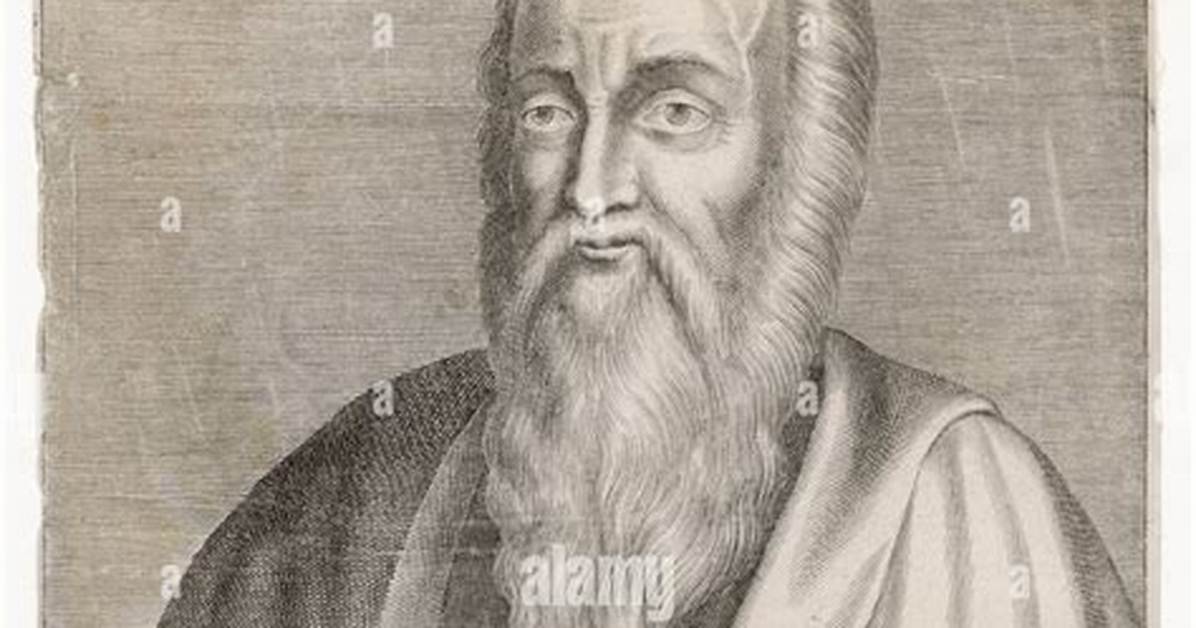
Amongst all the blood and corpses which filled the streets that summer day in 1099, there wandered a man whose story has become fabled over time. This was Peter the Hermit, believed to have been central to the preaching of the First Crusade and the widespread bloodshed and atrocities that accompanied it.
The Early Life of Peter the Hermit
The details of Peter the Hermit’s life before the First Crusade are highly contested. He is believed to have been born around 1050, most likely in the Auvergne region of central France.
He entered the religious life and was a priest in the town of Amiens by the 1080s or 1090s. Much of our knowledge of his earlier years comes from the writings of Anna Komnene, the daughter of the Byzantine emperor, Alexios I Komnenos, and a contemporary of the events she describes in her Alexiad, a history of her father’s reign which overlapped with the First Crusade.
Anna claimed that Peter had attempted to embark on a pilgrimage to the Holy Land in the years before the crusade but had been stopped on his journey by the Seljuk Turks, who had come to control the region around modern-day Turkey and the Levant.
They may have attacked him, and this, combined with his failure to make it to Jerusalem, made him a zealous supporter of the crusades.
The Preaching of the First Crusade
The crusades came about owing to developments in the Eastern Mediterranean in the late eleventh century. The Byzantine Empire had been losing ground there since the rise of Islam in the seventh century.
However, the eleventh century witnessed a new regional power, the Seljuk Turks. These threatened Constantinople itself, the Byzantine capital. Thus, the Byzantine emperor, Alexios I Komnenos, appealed to the powers of Western Europe to send aid to the east.
Alexios’s motives were self-interested, as he wanted the Christians of Western and Central Europe to attack his enemies. Still, he promoted the idea as a way of Christendom uniting to recover the Holy Places in the Levant, above all the city of Jerusalem.
He explained to his western correspondents that these regions were being blocked to Christians by the Turks. Alexios’s argument won supporters in the west.
In particular, the head of the Roman Catholic Church, Pope Urban II, was convinced. In November 1095, he preached the idea of a crusade at a religious council held at Clermont in Peter’s native region of Auvergne in France.
Within days prominent noble lords across France were signaling their intention to travel to the Holy Land to reclaim Jerusalem for the followers of Christ.

