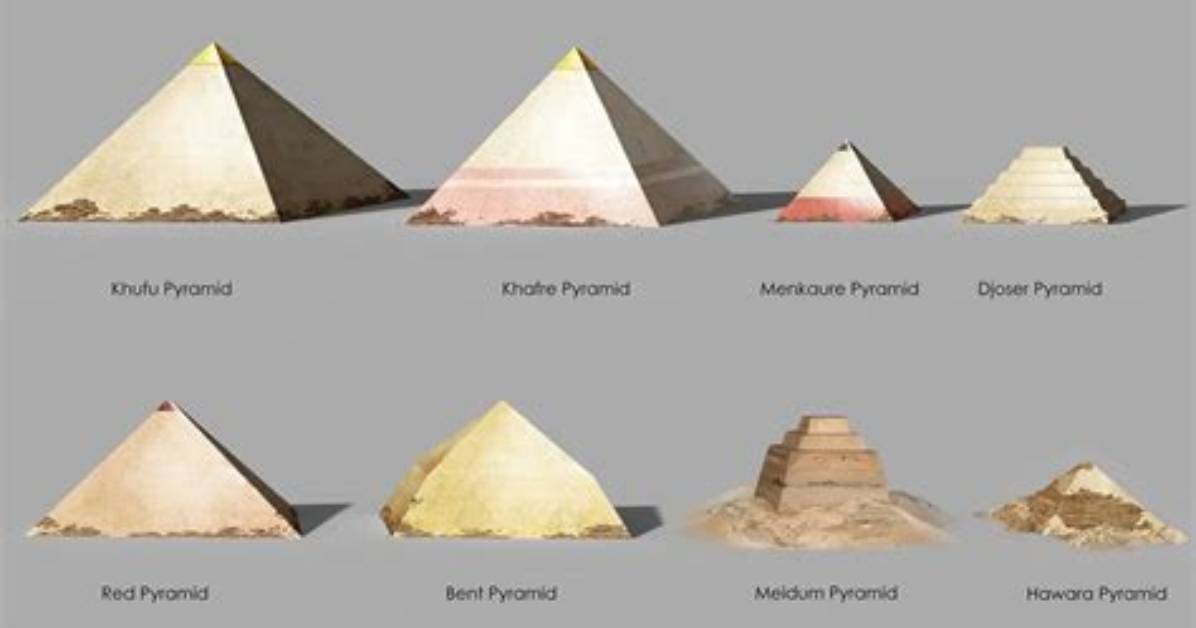
The Egyptian pyramids are among the most iconic and enduring symbols of ancient civilization. Over the centuries, these monumental structures have captivated the imagination of millions, inspiring both awe and curiosity. The development of pyramid structures in ancient Egypt spanned several centuries and evolved from simple pre-dynastic tombs to the grandiose constructions that we associate with the term "pyramid" today. This article will explore the evolution of Egyptian pyramid structures, beginning with the mastaba tombs of the pre-dynastic period and culminating with the Great Pyramid of Khufu.
I. Pre-Dynastic Mastaba Tombs
Before the construction of the first pyramids, the people of ancient Egypt buried their dead in structures known as mastabas. These flat-roofed, rectangular structures were made of mud-brick and served as tombs for the elite members of society. The word "mastaba" is derived from the Arabic word for "bench," reflecting the bench-like shape of these structures. Mastabas featured an underground burial chamber accessed through a vertical shaft and a chapel above ground where family members could perform rituals and leave offerings for the deceased.
II. The Step Pyramid of Djoser: A Monumental Leap
The construction of the first pyramid in Egypt is attributed to Pharaoh Djoser, who ruled during the 3rd Dynasty (circa 2667-2648 BCE). His vizier, Imhotep, is credited as the architect behind the innovative design of the Step Pyramid, which is considered the first large-scale stone monument in the world. The Step Pyramid, located in Saqqara, represented a significant departure from the mastaba tombs that preceded it.
The Step Pyramid consists of six distinct mastaba-like layers, stacked one on top of the other, with each subsequent layer smaller than the one below it. This design gave the structure its distinct stepped appearance. The pyramid was initially intended as a traditional mastaba tomb, but Imhotep expanded the design, transforming it into a revolutionary new architectural concept. The Step Pyramid served as a template for future pyramid construction and marked the beginning of the Old Kingdom era of pyramid building.

