Histamine is a hormone and neurotransmitter in the body that plays a significant role in the body. Involved in regulating the immune system, digestive function, and neurotransmission, it is produced by the body's cells and found naturally in some foods.
While histamine is a necessary chemical in the body, some individuals may experience adverse reactions when histamine levels become imbalanced. This condition is known as histamine intolerance, which can lead to various unpleasant symptoms.
In this article, we’ll delve into the role of histamine in the body and explore how a low histamine diet can help manage histamine intolerance; plus, we’ll look at which foods to eat and which ones to avoid to support your overall health and well-being.
{{mid-cta}}
Histamine Intolerance
Histamine is a chemical responsible for a few important functions, including1:
- transmitting messages to your brain
- triggering the release of stomach acid to aid in digestion
- releasing after injury or allergic reaction as part of your immune response
Your body naturally produces histamine and the enzyme diamine oxidase (DAO). The DAO enzyme is responsible for metabolizing histamine that you consume from food.
A histamine intolerance does not mean that you are intolerant to histamine but that your body cannot process histamine efficiently.
You could develop histamine intolerance if your body develops a DAO enzyme deficiency and can‘t break down histamine.2
Some medical conditions may increase your chances of developing a histamine intolerance. These conditions can prevent the body from managing histamine levels normally, potentially triggering symptoms like headaches, hives, digestive issues, etc.
Some of the health problems that may increase the risk of histamine intolerance include:
- Liver Conditions - The liver plays a crucial role in metabolizing histamine. Impaired liver function may cause inefficient histamine metabolism, increasing its accumulation in the body.
- Crohn’s Disease - Inflammatory bowel diseases like Crohn’s disease can disrupt the integrity of the intestinal lining, affecting histamine regulation and absorption.
- Chronic Stress - Prolonged stress may impact various bodily processes, including histamine metabolism. Stress hormones can influence histamine release and contribute to intolerance symptoms.
- Gastrointestinal Disorders - Conditions like irritable bowel syndrome (IBS) and leaky gut syndrome can disrupt the gut barrier, allowing histamine-rich foods to be absorbed more readily and worsening intolerance. Food allergies may also cause histamine intolerance.
- Gastroesophageal Reflux Disease (GERD) - GERD can increase histamine levels due to stomach acid impacting histamine-containing foods, leading to symptoms in susceptible individuals.
Some medications, both prescription and over-the-counter, can affect your MAO levels and cause histamine intolerance. These medications include:
- Heart medications
- Antibiotics
- Antidepressants
- Pain medications
- Gastrointestinal medications
Histamine Intolerance Symptoms
Histamine receptors are present in many different systems within the body, so histamine intolerance can cause various symptoms.3
These symptoms are not specific to histamine intolerance and can often occur in many other health conditions, such as food intolerances. Because of this, your doctor may have difficulty diagnosing histamine intolerance.
The most commonly experienced symptoms involve the gastrointestinal (GI) system and include:3
- Abdominal pain
- Bloating
- Diarrhea
- Constipation
- Gas
- Nausea
- Vomiting
Other reactions associated with this intolerance include:3
- Headaches or migraine
- Nasal congestion, sinus issues, or sneezing
- Fatigue
- Itchy skin
- Hives
- Irregular menstrual cycle
Although uncommon, some people with severe cases of histamine intolerance may experience:3
- Abdominal cramping
- Swelling
- Hypertension (high blood pressure)
- Irregular heart rate
- Anxiety
- Difficulty regulating body temperature
- Dizziness
What is a Low Histamine Diet?
A low histamine diet is an elimination diet that aims to manage histamine intolerance. The purpose of this diet is to reduce the amount of histamine you consume from food, which can help ease symptoms of histamine intolerance, including headaches, rashes, and GI symptoms.
Following a low histamine diet means avoiding foods with high levels of histamine or foods that might trigger the chemical release in your body.
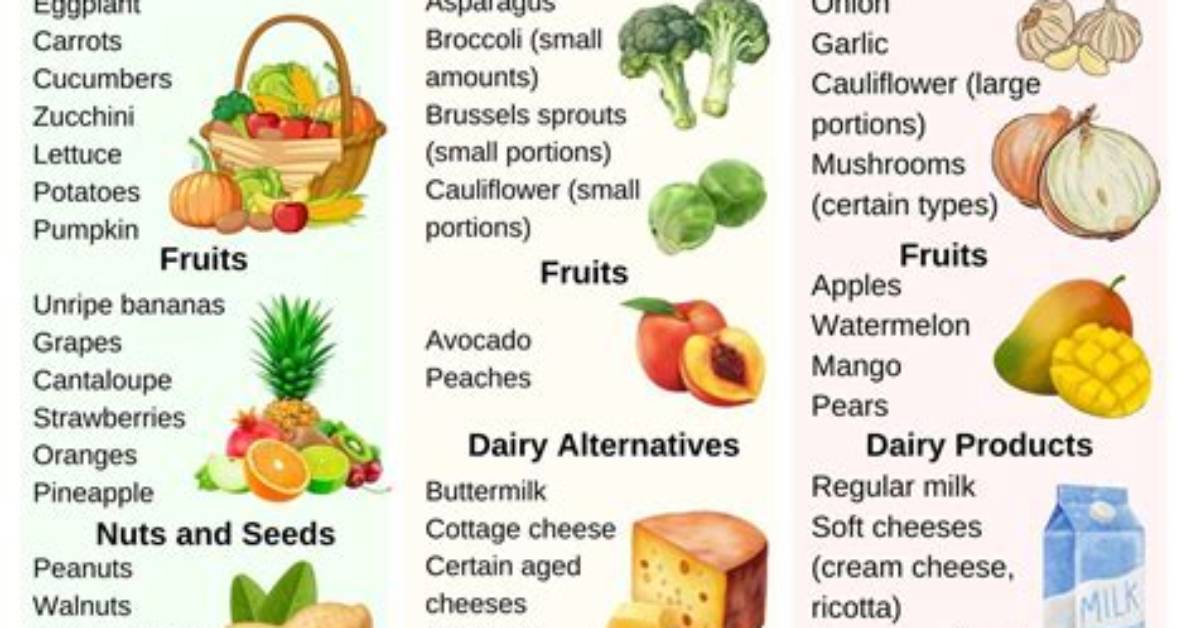
Foods with lower levels of histamine typically include fresh, unprocessed produce. Fermented foods tend to have high levels.
Does it Have Any Benefits or Drawbacks?
Benefits
A low histamine diet can serve as a diagnostic tool and confirm whether you have histamine intolerance or other health conditions.
Another benefit of a low histamine diet is symptom relief in individuals with histamine intolerance. When histamine intake is reduced, many people experience a decrease in symptoms such as headaches, skin rashes, digestive discomfort, and more. Alleviating these symptoms often leads to a better quality of life.
The low histamine diet can be tailored to individual needs and preferences. It allows people to identify specific trigger foods that worsen their symptoms and make dietary adjustments accordingly.
Drawbacks
Some possible drawbacks of a low histamine diet include extremely limited food choices and potential nutrient deficiencies.
The low histamine diet is very restrictive. Many high-histamine foods are nutritious and provide essential nutrients. Cutting out a wide range of foods may lead to nutritional gaps if not carefully planned.
Following a low histamine diet may also limit food variety and dining options, making it challenging to enjoy meals in social settings or while traveling.
Successfully adhering to a low histamine diet requires knowledge of histamine-containing foods, food preparation methods, and label reading. This complexity can be overwhelming for some people.
Following a low histamine diet long-term can increase the risk of certain nutrient deficiencies if not carefully managed.

