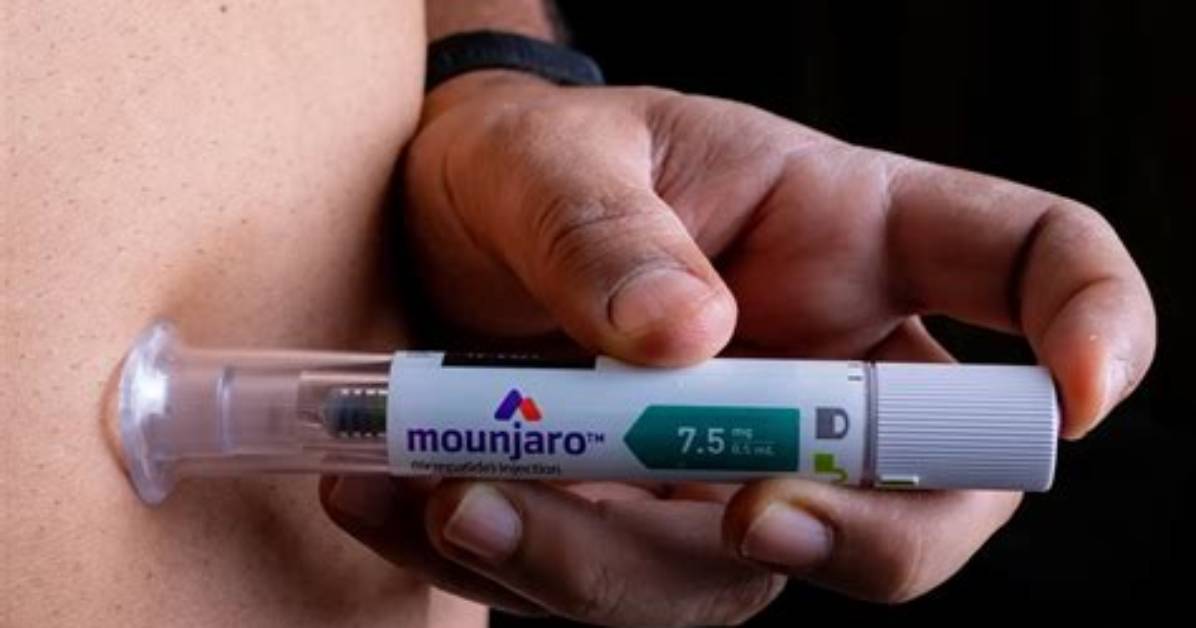
Mounjaro is a brand-name subcutaneous injectable prescription medication used to improve blood sugar levels in adults with type 2 diabetes mellitus alongside diet and exercise.1,2
It has been more effective than other injectable diabetes medications. Similar medications include Byetta (exenatide), Ozempic (semaglutide) and Trulicity (dulaglutide).2
Consult your healthcare provider about using any diabetes medication.
In the last 15 years, various injectable medications have been recommended early in diabetes treatment due to their ability to improve fasting and overall blood sugar levels, lower body weight, and have positive heart disease outcomes.2
In this article, you’ll learn how individuals use Mounjaro, how it aids in weight loss and blood sugar control for people with type 2 diabetes, and its side effects.
What is Mounjaro?
Mounjaro combines two injectable medications: a glucose-dependent insulinotropic polypeptide (GIP RAs) and a glucagon-like peptide-1 receptor agonist (GLP-1 RAs) made by Eli Lilly and Company.1,2
Mounjaro is a once-weekly injection. Mounjaro is not insulin. The generic name is tirzepatide. The two medications in Mounjaro work better together than GLP-1 RAs alone.
Mounjaro comes in a prefilled injection pen. You inject under your skin with or without food. Rotate injection locations to help prevent injection site irritation. You can inject Mounjaro in your stomach, thighs, or the back of your upper arms.1
The clinical trials on Mounjaro exhibit a powerful blood sugar lowering and weight loss ability with side effects similar to existing GLP-1 RAs on the market.2
Mounjaro has undergone phase 1 and 2 clinical trials and is currently in over nine phase 3 clinical trials.2
Phase 1 trials are done for new medications and involve a smaller group of people (20-100). They are done to find the highest safe dose of a new medication without severe side effects.
Phase 2 clinical trials determine the effectiveness of a new medication on a disease or condition (like type 2 diabetes) and include 100 to 300 participants.
Finally, phase 3 trials are conducted at multiple places with several hundred to thousand patients. Phase 3 can last for several years.3 Two phase 3 trials results were released on July 27, 2023.4
{{mid-cta}}
What is Mounjaro Used For?
Mounjaro has only been approved by the U.S. Food and Drug Administration (FDA) to help people with type 2 diabetes improve their blood sugar control since May 2022.5 It has not been approved for weight loss at this time.
Mounjaro (15 mg dose) lowered hemoglobin A1c (HbA1c) by 2.4% compared to a placebo group after 26 weeks in a phase 2 clinical trial including 318 adults with type 2 diabetes.
HbA1c is the average blood sugar level for the past three months, helping patients and healthcare providers understand the effectiveness of diet, lifestyle, and medications. This level of HbA1c reduction is profound.
Monitoring the foods you eat and the amount of carbohydrates, reducing added sugar, and pairing fiber, protein, and fat with carbohydrate sources helps maintain healthy blood sugar levels. Tracking blood glucose levels can help you better understand how your body responds to various foods.
Mounjaro also helped 318 patients with type 2 diabetes achieve superior weight loss in 26 weeks (− 11.3 kg or 25 pounds with a 15 mg dose). This equates to a 21% average weight loss from the start of the trial.
Obesity is strongly associated with insulin resistance, a precursor in the development of type 2 diabetes. Weight loss helps individuals achieve good blood sugar control.2
Mounjaro should not be used in patients with type 1 diabetes or people with current or past pancreatitis. It is considered safe and effective for people 18 and older.1,2

