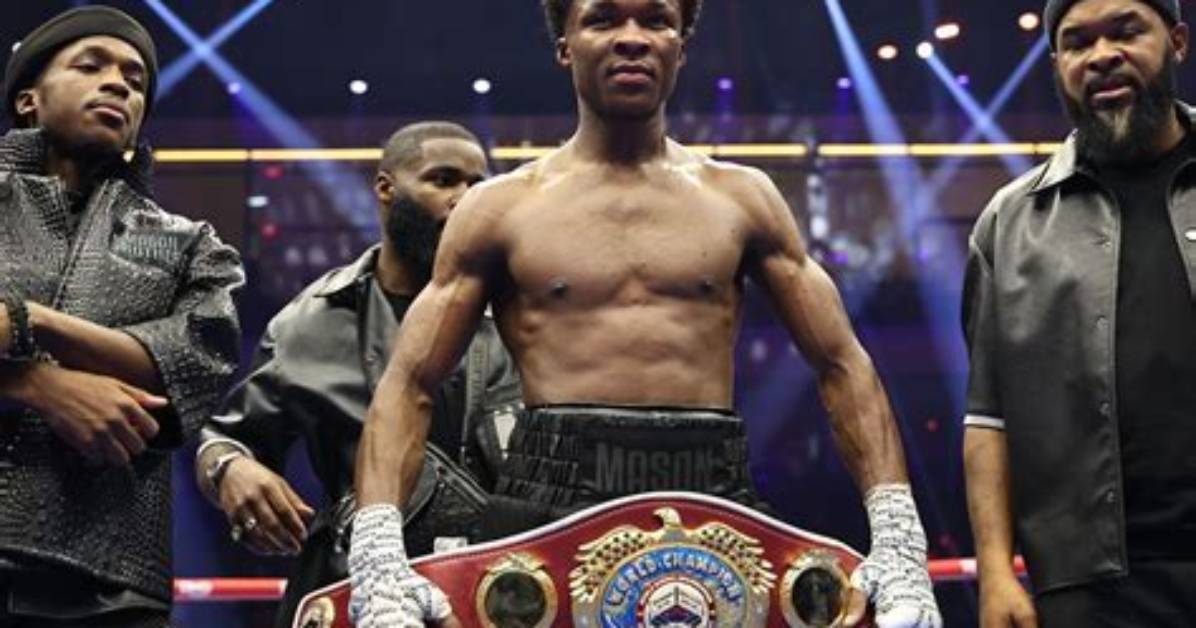
Boxing has always been as much about the business as it is about the sport.
At the heart of the boxing business is the boxing promoter.
The role of a boxing promoter is multifaceted, involving a wide range of responsibilities that are crucial to the success of the sport.
From organizing and promoting boxing events to negotiating contracts with fighters and securing sponsorships, the boxing promoter plays a pivotal role in shaping the landscape of professional boxing.
Historical Significance
The history of boxing promotion can be traced back to the late 19th and early 20th centuries when organized professional boxing began to emerge as a popular spectator sport.
Promoters such as Tex Rickard and Don King became synonymous with the sport, shaping its development through their promotional activities, bringing the sport to the forefront of popular culture.
Their impact on the sport's growth and commercial success cannot be understated.
Organizing and Promoting Boxing Events
One of the primary responsibilities of a boxing promoter is to organize and promote boxing events.
This involves securing suitable venues, arranging undercard fights, and coordinating logistics such as ticket sales, marketing, and media coverage.
Promoters work closely with various stakeholders, including boxing commissions, broadcasters, and regulatory bodies, to ensure that events are conducted in compliance with regulations and safety standards.

