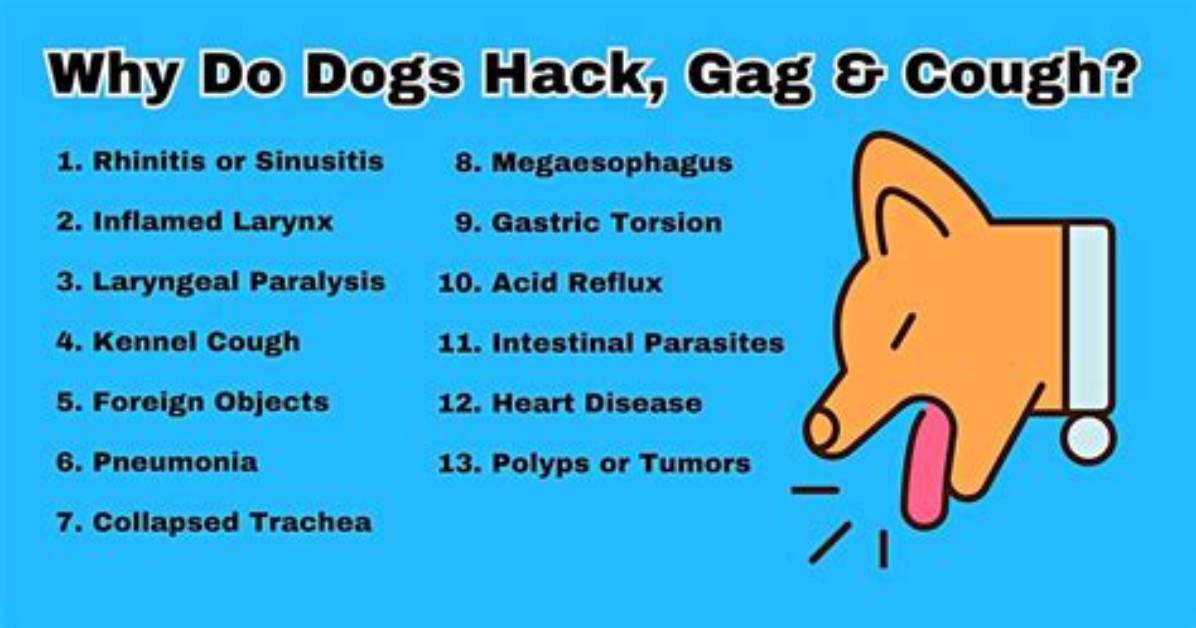
If your dog has started to cough like there is something stuck in his throat and you’ve started to worry, there are several possible causes for this. We will review the most common explanations for this behavior and give you some tips on what to do about it to help your dog.
The most common causes of a dog coughing like they have something on the back of their throat include:
Kennel Cough
Canine infectious tracheobronchitis, better known as kennel cough, is a very common infection of the upper respiratory system of dogs. It’s popularly known as kennel cough because it rapidly spreads in shelters and environments where many dogs are kept in confined spaces together where aerosolized microbes are easily transmitted from dog to dog.
There are several microorganisms responsible for causing this infection but in particular, a bacteria called Bordetella bronchiseptica seems to be implicated in the majority of these cases. For this reason, kennel cough can sometimes be called Bordetellosis. However, keep in mind that it is usually a virus precursor also involved in the disease.
How Did My Dog Get the Infection?
For Bordetella to infect the trachea and larynx of a dog there has to be a preceding condition of immunosuppression (like what happens when dogs get stressed in shelters, for example), or a previous viral infection affecting the ability of the cells of the respiratory system to produce mucus that would normally work as a barrier and trap this bacterium. Other non-infectious conditions that could be predisposing a kennel cough would be respiratory irritants such as smoke or environmental pollutants. The signs can start 2–14 days after initial infection, so if your dog has had access to other dogs, visited the groomer, a shelter, doggie hotel, or has suffered stress during the last 2 weeks, it’s possible you are dealing with kennel cough.
Should I Take My Dog to the Vet?
Kennel cough is generally not a cause for concern as most cases will run their natural course, however, because it is highly infectious, a dog with kennel cough must be isolated from other dogs to avoid transmission.
Kennel cough might be accompanied by a runny nose and some eye discharge, but otherwise, most dogs seem normal in their activity levels and appetite. If the cough is accompanied by any other signs like lethargy, fever, or lost appetite, please bring your dog to the vet as this might be an indication of either a complicating case that could develop into pneumonia or another respiratory disease.
If the coughing sounds like something is stuck in the throat, or a honking-type cough is the only sign and your dog looks normal otherwise, there is no cause of concern just yet. Keep the dog isolated, follow the recommended tips, and you should be seeing some progress in about a week or two.
How Long Should I Keep My Dog Isolated?
Kennel cough symptoms normally stop after an average of 2–3 weeks and up to 6 weeks in the case of immunocompromised or senior dogs. However, a dog can still remain infectious up to 14 weeks after signs resolve.
Is There Anything I Can Do to Help My Dog?
Viral Infection
Several viruses affect the respiratory system or challenge your dog’s immune system and they are usually a precursor to kennel cough.
Some of them include:
Should I Take My Dog to the Vet?
These viruses usually run their course. If your dog is active and eating normally and just has a cough, there is no need to run to the vet. A runny nose and some ocular secretion can be normal; however, if your dog has other signs like compromised breathing, lethargy, fever, or is refusing to eat, please bring your dog to the vet as soon as possible. If your dog’s condition seems to worsen instead of recovering, please bring your dog to the vet.
What Can I Do to Help My Dog?
Working on having a healthy immune system goes a long way in these cases.

