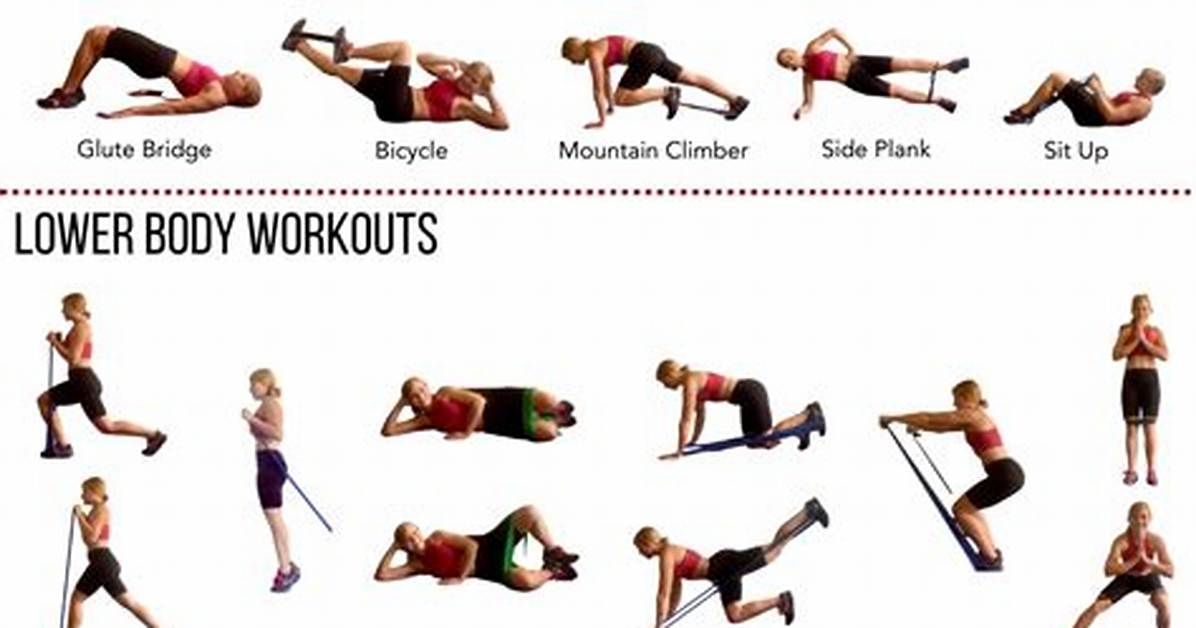
Resistance bands, often called exercise bands or fitness bands, are simple yet highly effective tools used in the fitness and rehabilitation industries to help build strength and mobility. They are typically made of rubber or latex and come in various shapes, sizes, and resistance levels. These bands are designed to create heavier resistance when stretched to their maximum, making them different from dumbbells that maintain the same “resistance” or weight.
Resistance bands were initially developed for use in physical therapy and rehabilitation settings; however, they’ve found a prominent place in mainstream fitness and weight loss programs over the years.
In this article, we'll explore the effectiveness of resistance band workouts for weight loss and how you can use them safely for your fitness and weight loss goals.
Types of Resistance Bands
Resistance bands come in various types, each offering unique advantages to cater to different fitness needs and ability levels.
Here are just a few common types you can use in your next workout:
- Loop bands: These are closed-loop bands that resemble a large rubber band or circular loop. They are excellent for lower-body workouts and upper-body exercises. Loop bands are convenient for travel and versatile to use wherever you are.
- Tube bands (with handles): Tube bands consist of a tube with handles attached to either end. They are suitable for various exercises, including bicep curls, chest presses, and rows. The handles provide a secure grip, making them easier to use than other resistance bands.
- Therapy flat bands: These bands are flat, wide strips without handles or loops. They are often used for physical therapy and rehabilitation exercises because they are versatile, can be tied to create loops, and can be used for dynamic stretching.
- Figure 8 bands: Figure 8 bands are shaped like the number eight and are perfect for upper body exercises like lateral raises, front raises, and chest flies. Their unique design allows for controlled movement and isolation of specific muscle groups of your shoulders, arms, and upper back.
- Pull-Up assist bands: These bands are thicker and more robust than other resistance bands, designed primarily to assist with pull-up and chin-up exercises. You can also use these larger resistance bands to perform deadlifts, squats, and stretching. Using these bands for more difficult movements like pull-ups helps users maintain proper form while gradually building strength.
Choosing the right type of resistance band depends on your fitness goals, the muscle groups you want to target, and your personal preferences. Combining different types of resistance bands in your workout routine can add variety and help you achieve a well-rounded fitness regimen that supports your goals, whether it's muscle building, weight loss, or improved overall fitness.
{{mid-cta}}
Pros and Cons of Resistance Bands
Benefits of Resistance Bands
Whether you're a beginner looking to improve your strength or an experienced athlete seeking to diversify your workouts, resistance bands can be a valuable addition to your fitness routine. Here are some key benefits:
- Portability: Resistance bands are lightweight and portable, making them a perfect choice for people who prefer to work out at their home gym or on-the-go. They can easily fit into a bag or suitcase, enabling individuals to maintain their fitness routines while traveling or in limited spaces.
- Affordability: Resistance bands are a cost-effective alternative to traditional gym equipment. They offer various resistance levels while catering to various fitness levels and budgets. Most come in sets of three to five bands for as little as $13.
- Less chance of injury: Resistance bands generally provide a low-impact workout, meaning they are gentler on your muscles and joints compared to high-impact activities like running or plyometrics. This characteristic makes them suitable for individuals with joint issues, older adults, or new to exercise.
- Versatility: These bands can be used to perform various exercises, from basic muscle-building movements like bicep curls and squats to more complex routines like Pilates and yoga. They allow users to target multiple muscle groups and create a well-rounded workout regimen.
- Improved muscle engagement: Despite their simplicity, resistance bands are incredibly effective at engaging muscles throughout the entire range of motion. They create tension when stretching and releasing, maximizing muscle activation and growth.
Downsides of Resistance Bands
While resistance bands are a valuable fitness tool, it's important to acknowledge their limitations and potential drawbacks:
- Bands can break: Resistance bands can wear out or lose their elasticity over time, so they must be replaced periodically. Low-quality bands are more prone to breaking, potentially causing injuries.
- Not ideal for maximal strength: While resistance bands can promote muscle growth and strength, they may not be the best choice for those solely focused on powerlifting or bodybuilding, where lifting extremely heavy weights is the primary goal.
- Learning curve: Proper form is essential when using resistance bands to avoid injury. Beginners might require guidance and practice to perform exercises correctly. It can be challenging to maintain proper tension and alignment throughout certain movements.
- Hard to measure: Because a resistance band will change its resistance as it stretches and relaxes, it can be tough to measure exactly how much weight you are using during an exercise.
Despite these potential downsides, resistance bands remain a valuable and effective fitness tool for many individuals. Their versatility, affordability, and ability to provide an effective full-body workout while being gentle on the joints make them valuable for achieving various fitness goals, weight loss, and maintaining overall health and well-being.

