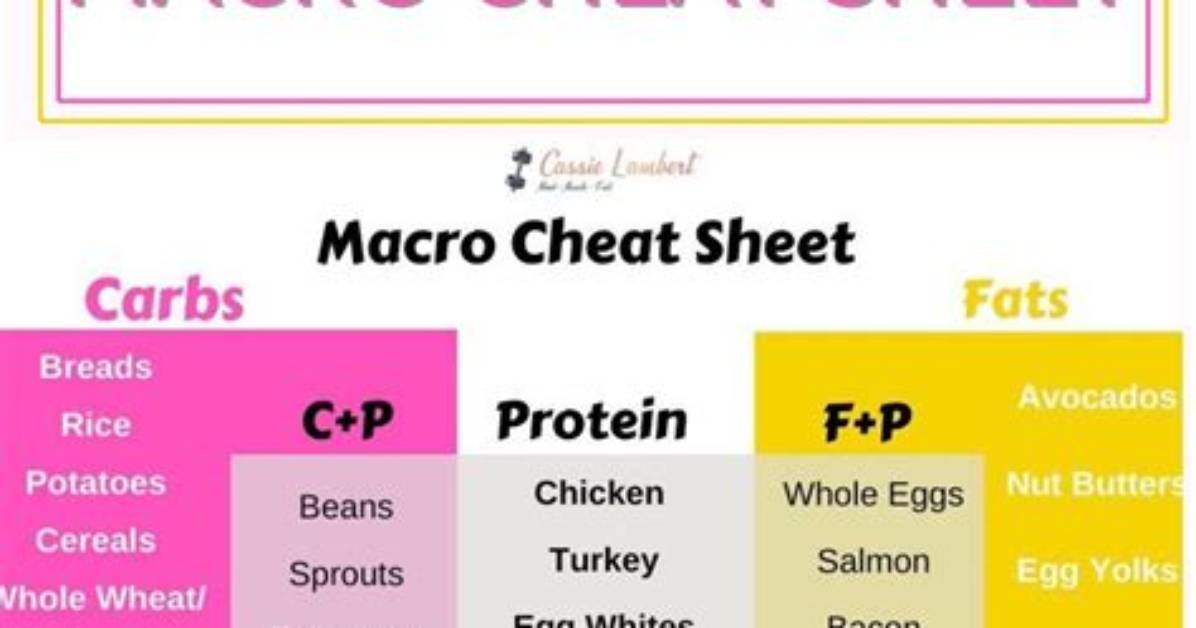
Have you overheard your friends or coworkers talking about “tracking their macros?” Macros, short for macronutrients, are the largest essential components of your diet that provide your body with energy and nutrition.1 Specifically, these include carbohydrates, proteins, and fats. Counting macros allows you to tailor your diet to meet your specific health and fitness goals, whether it's weight loss, muscle gain, or simply maintaining a healthy lifestyle. In this article, we'll walk you through the basics of how to count macros to achieve your goals and maintain a healthier diet.
{{mid-cta}}
What Are Macros?
Macronutrients, or "macros," are the fundamental nutritional components in food. There are three primary macronutrients - carbohydrates, proteins, and fats - and each has an important role in producing energy and tissues within the body.1
Carbohydrates are your body's primary source of energy. They are quickly converted into glucose, which the body uses immediately or stores for later use.2 Carbohydrates consist of sugars, starches, and dietary fiber and are commonly found in foods like bread, pasta, fruits and vegetables, and beans. Remember, carbohydrates are still important for healthy blood sugar levels, hormones, and brain health.
Proteins play a crucial role in the growth, repair, and maintenance of the different tissues within our bodies (i.e., muscle, hormones, etc.).3 You can find protein in animal sources such as meat, fish, poultry, and dairy products or non-animal sources such as beans, legumes, nuts, and soy.
Fats serve as a long-term energy store and participate in key functions like cell membrane formation, insulation, and the absorption of fat-soluble vitamins.4 Healthy fat sources include avocados, nuts, seeds, oils, and fatty fish.
What Is Counting Macros?
"Counting macros" refers to calculating and tracking the intake of macronutrients in your diet within a specific ratio. This approach involves quantifying the grams or percentages of each macronutrient to meet specific health and fitness goals, such as weight loss, muscle gain, or overall well-being.
For example, losing body fat may require a lower carbohydrate and higher protein/fat ratio, whereas building muscle might emphasize higher carbohydrates for energy. Counting macros empowers individuals to make informed food choices, optimize their nutrition, and reach their fitness goals while ensuring their bodies receive the necessary nutrients.5

